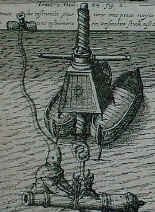
 Earliest known search in water started in Lake Nemi near Rome. In 1446, Italian architect Leon Batista Alberti searched for two Roman vessels sank at the lake. Since he only found mere pieces of wood, he didn't draw to much attention.
In 1535 Alberti's successor used first time an instrument which was a wooden bell girded by metal. This special device which left the divers hands free was extremely useful.
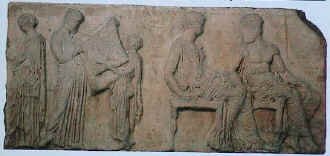
1802 British Ambassador, the Earl of Elgin ordered that the freezes of Parthenon to be taken to England. The ship which was carrying the cargo sank near the Kytera with its precious cargo. Skin divers form Samos were hired to rescue the freezes. Just holding their breath, Samos divers rescued the freezes. In 1816 Lord Elgin sold them to British Museum where these are still displayed.
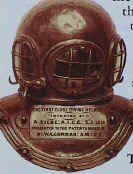
1819 German inventor August Siebe invented divers helmet which was miniaturized version of diving bell. This copper helmet which only covered the head was fed by a pump from the surface. This device obliged the divers to stand upright, if not their helmet would be filled with the water.
1827 Annesio Fusconi used diving bell which had 2.5 meters diameter for the Roman shipwrecks at the Lake Nemi.
1836 Deane Brothers who worked as salvage divers for British Government discovered remains of Mary Rose, British ship with historical significance. Mary Rose had been captized by the French Fleet in 1545.
1839 A. Siebe added watertight suite to his helmet. This great invention which gave great mobility to divers was used for nearly a century.
